Frasassi caves
The most beautiful caves in the world?
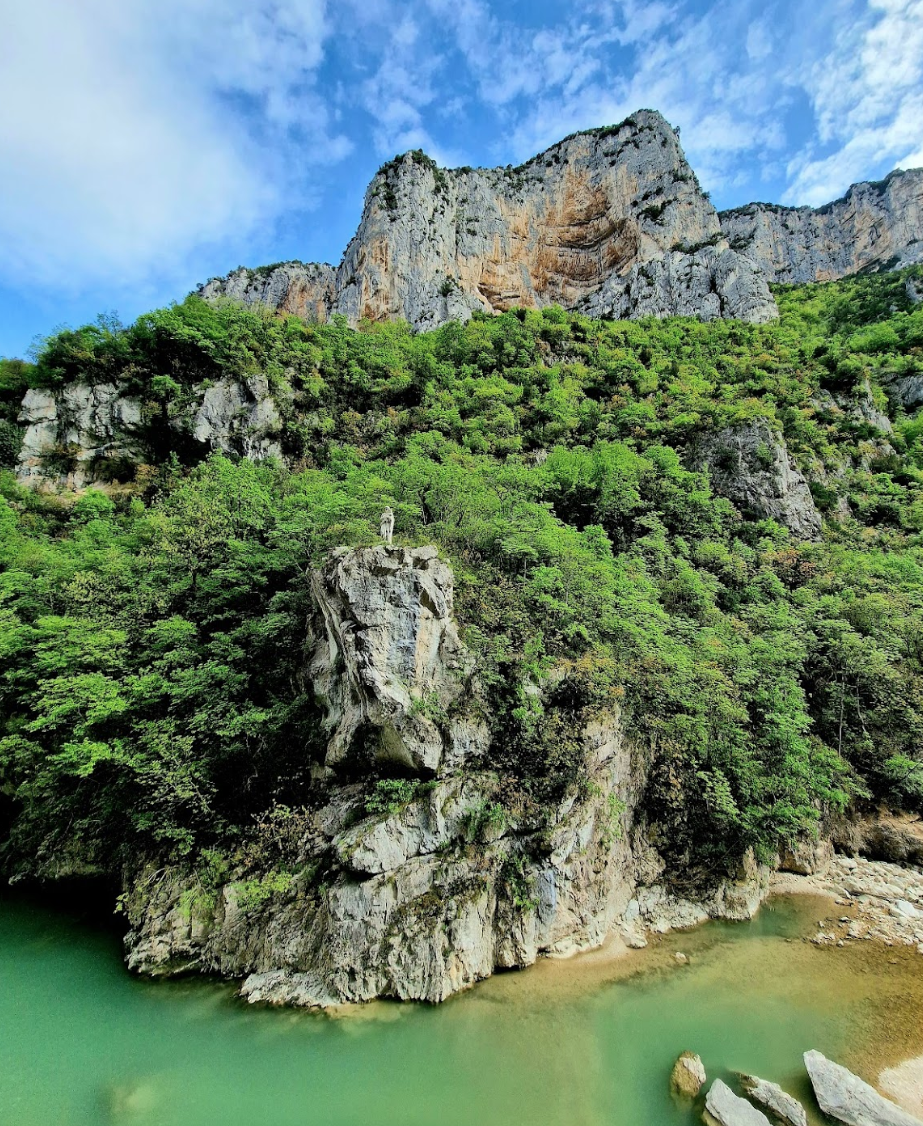
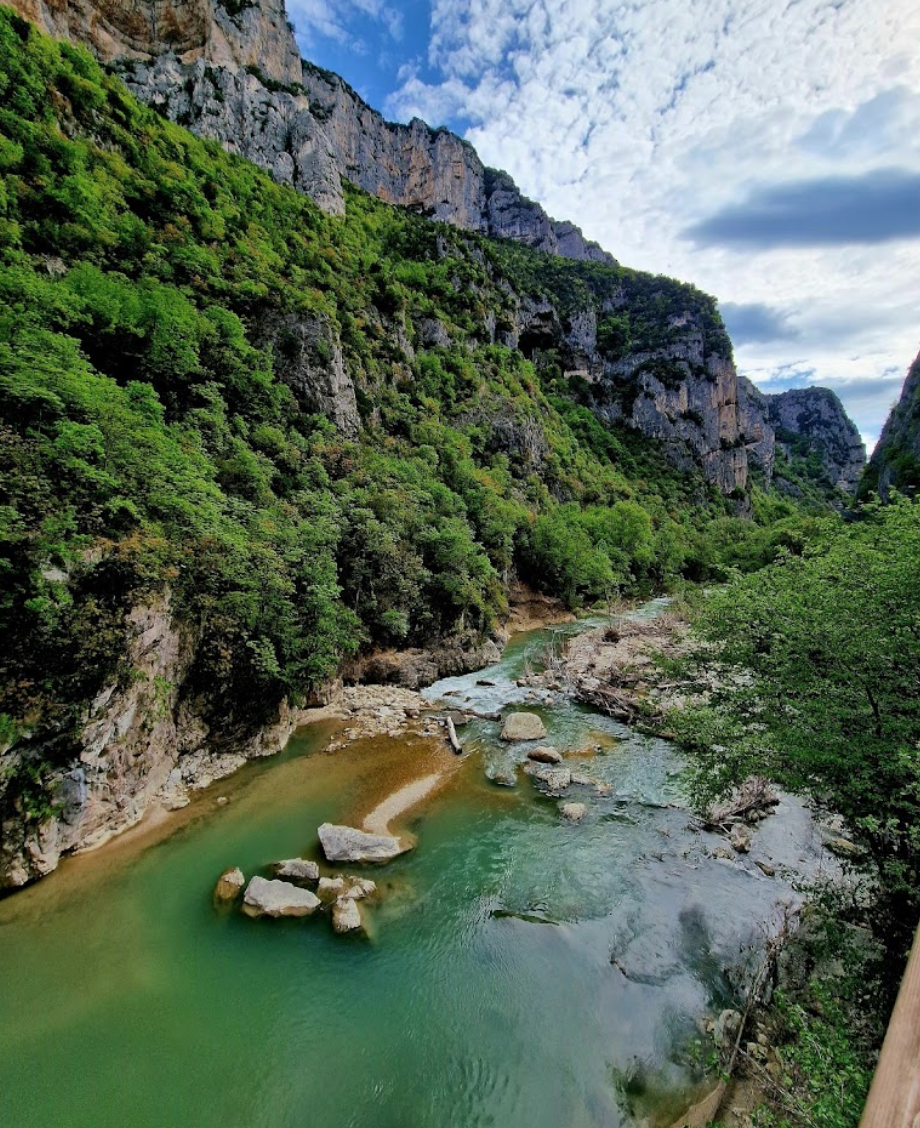
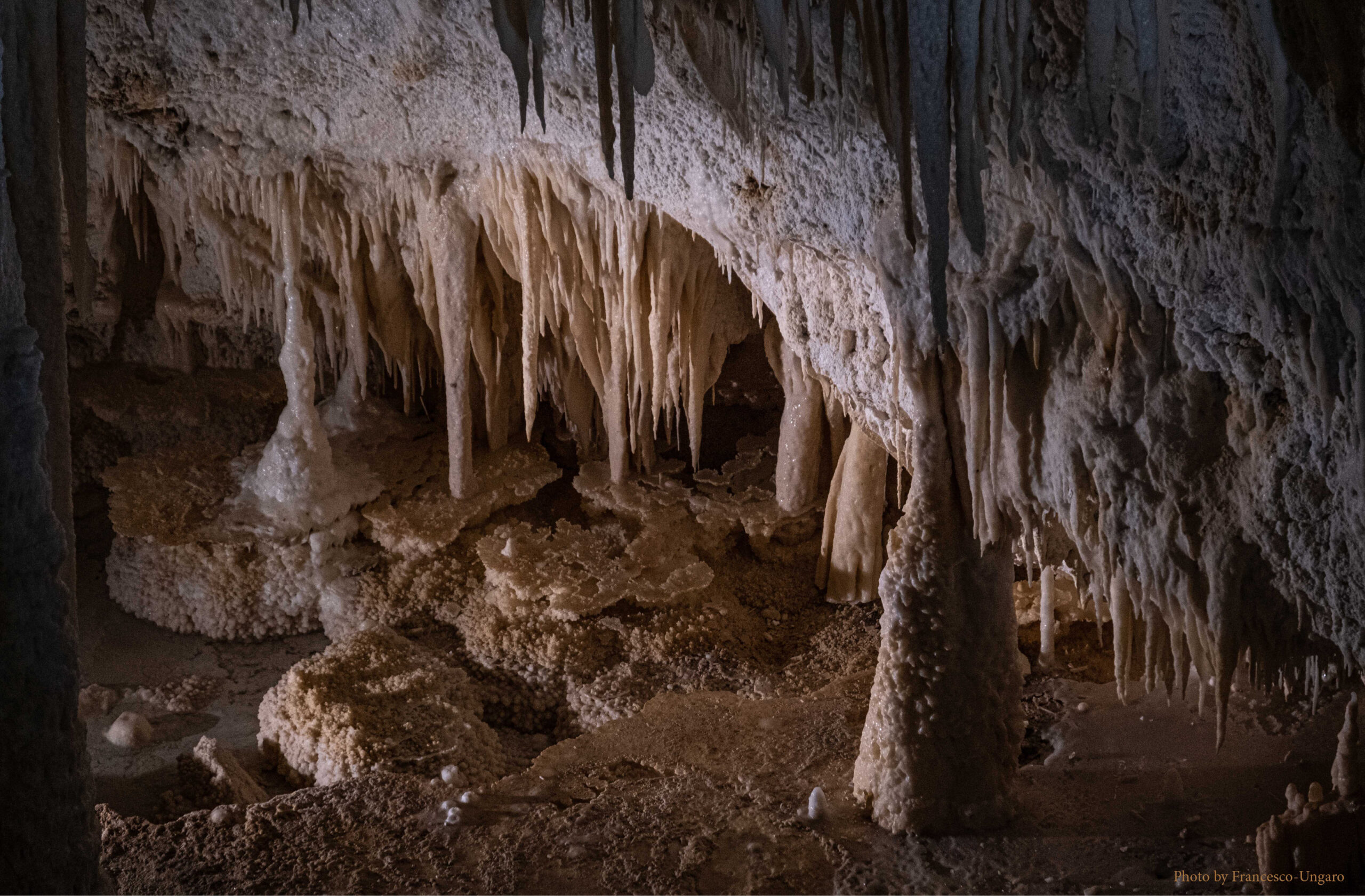
The Grotte di Frasassi, located in the Gola della Rossa e di Frasassi National Park, are one of the largest and most impressive cave systems in Europe.
This is a must-see attraction if you’re on holiday in the Marche region and the main reason many travellers come here.
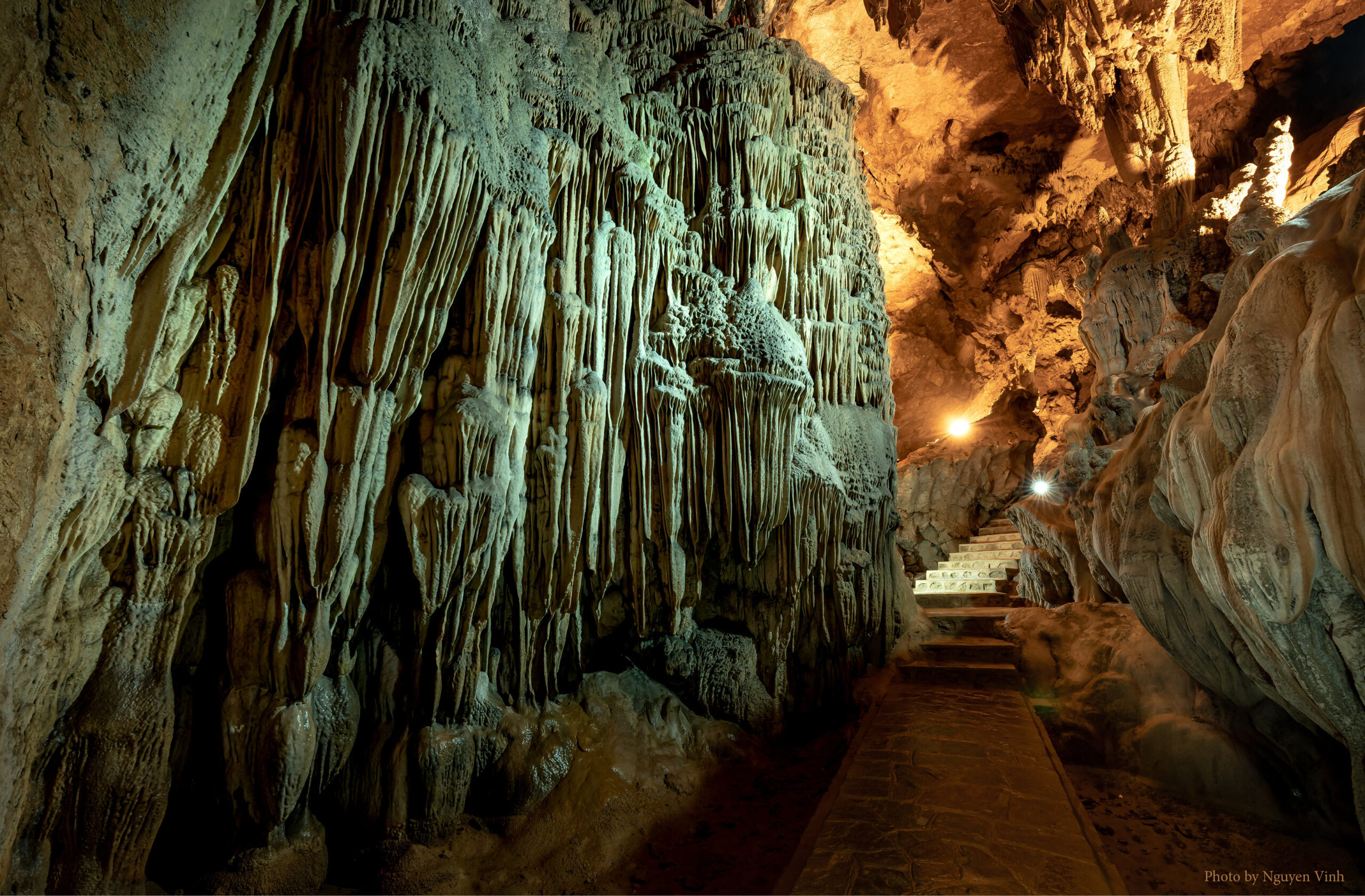
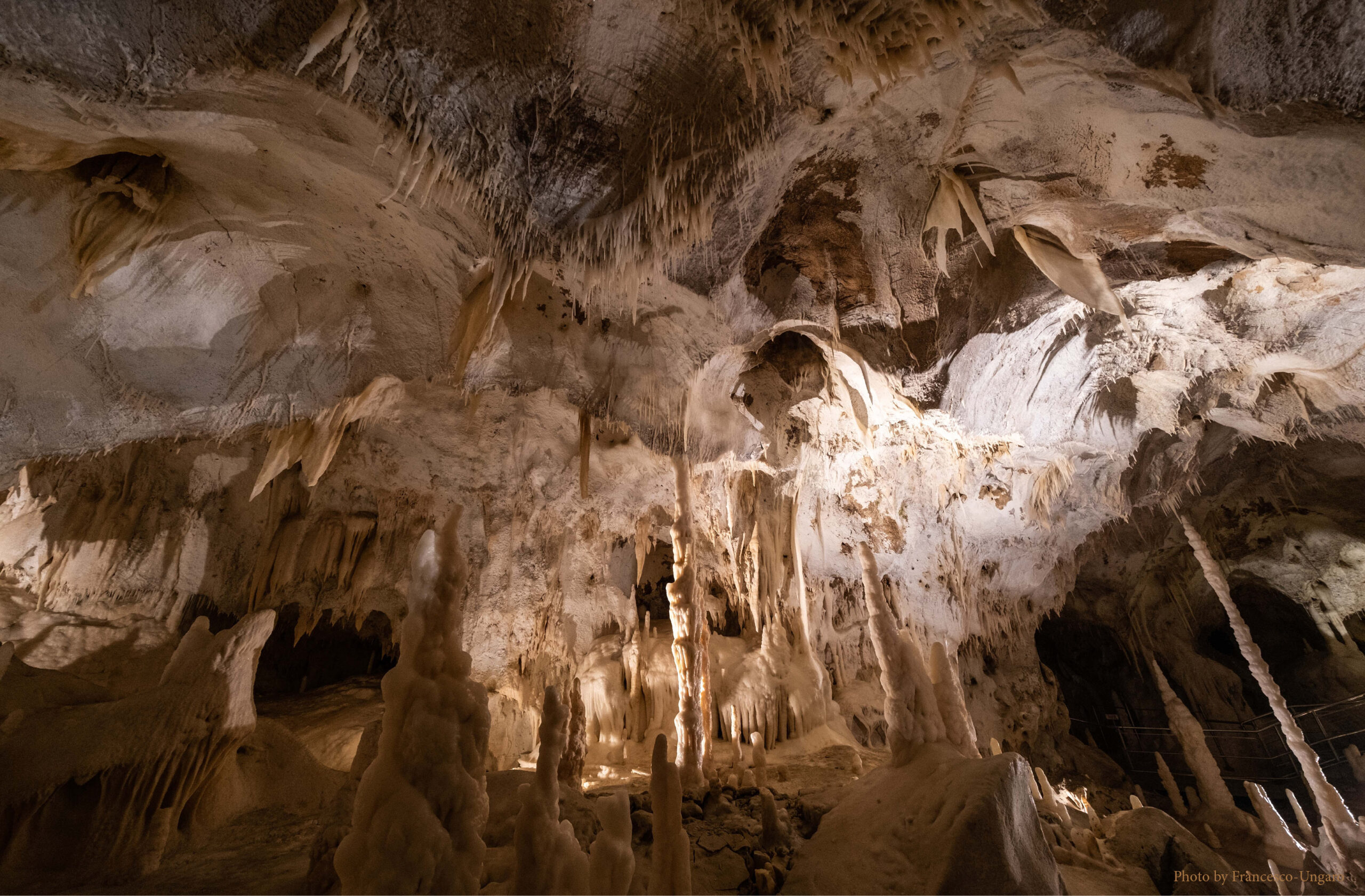
Let yourself be captivated by the wonderful story of how the caves were discovered by chance and admire the breathtaking stalactites and stalagmites that have formed over millions of years.
We visit these caves with our guests a few times a year and we are still left speechless every time we step into the first chamber. A visit to these caves will leave a lasting impression on you
Discovering the caves
- The first discovery
- The search continues
- Discovering the cave of the winds
- Contection between the cave systems
- Open to the public
Visiting the caves:
Location and access:
Things to discover near the Frasassi Caves
Discovery of the Frasassi Caves
The first discovery
We can say with certainty that a systematic exploration by speleologists and geologists began in 1948, thanks to the efforts of the Marches Speleological Group of Ancona.
On 28 June 1948, speleologists Mario Marchetti, Paolo Beer and Carlo Pegorari discovered the entrance to River Cave.
In 1966, Maurizio Borioni discovered a further kilometre-long branch within River Cave. Following this, the explorations and searches became more intensive and enthusiastic.
The search continues
Five years later, in July 1971, a new discovery was made. This time, a group of young men from Jesi found themselves standing in front of a narrow opening from which a strong draught was emerging.
They were Armando Antonucci, Mauro Coltorti, Mauro Brecciaroli, Mario Cotichelli, Massimo Mancinelli, Giampiero Rocchetti and Roberto Toccaceli.
They spent about a month widening the narrow passage and, on 1 August of that year, they walked through what would later be called ‘Strettoia del Tarlo’ (The Narrow Passage of the Worm).
The young men were then able to marvel at five kilometres of new caves, caverns, pits and astonishing tunnels, in which they would find animal footprints that had been preserved for thousands of years. The discoveries of that fateful year did not end there.
Discovery of the Cave of the Wind
The first clue to the most significant discovery, that of the Great Cave of the Wind, came on 25 September 1971, when Rolando Silvestri of the Speleological Group of Ancona, part of the Italian Alpine Club, discovered a small entrance on the northern slope of Mount Vallemontagna. With the help of a few friends, he managed to clear a passage leading to a small chamber. The disappointment at the modest discovery was followed by the hope of something greater. For in the small chamber there were many openings from which a strong draught was coming. After exhausting digging work, which lasted a few days, they reached a narrow opening and slid down to the edge of an empty space. They threw a stone and realised the width and depth of the cave. They estimated it to be 100 metres in size. An incredible discovery that filled them with enthusiasm.
The marvellous Cave of the Wind revealed itself to the speleologists. The problem at that point was how to enter the cave and reach the bottom.
They quickly equipped themselves and, with a new expedition, lowered themselves into the cave that would later be named ‘Abyss Ancona’. Their lights highlighted the splendour and beauty of that new environment.
Connection between the cave systems
The news was also announced in the press. The Jesi and Ancona Speleological Groups stepped up their activities, the former in the River Cave and the latter in the Great Cave of the Wind. Their aim was to find the connection—the passage linking the two caves—which they were convinced certainly existed.
The two enormous caves have since developed into a vast labyrinth of underground chambers stretching for over thirteen kilometres. Only speleologists, equipped with specialised gear and not without difficulty, are able to fully explore this marvellous underground world; for ordinary people, it remains a series of images, however beautiful they may be.
Open to the public
In late 1972, the ‘Consorzio Frasassi’ was established with the aim of protecting and utilising the caves and the surrounding area. The association was founded by the municipality of Genga and the province of Ancona. A 200-metre-long man-made tunnel was built, leading to the entrance of the Great Cave of the Wind and then onto an easy 600-metre-long path.
Cesarini from Senigallia was commissioned to illuminate the site, and he did so masterfully. Minimal facilities were then put in place to allow tourists access to the Grotta del Vento. The opening took place on 1 September 1974; since then, many tourists have continued to visit these enchanting places where it is possible to appreciate the beauty, splendour and majesty of nature.
Visiting the Frasassi Caves
Tourist footpath
A guided walk with an Italian or English-speaking guide lasting approximately 1 hour and 15 minutes.
This walk is suitable for anyone of average fitness. There are several flights of stairs with handrails along the route.
We recommend wearing comfortable shoes and a jumper, as the temperature in the caves is a constant 13 degrees.
For the adventurous
For those with a taste for adventure, the Frasassi Caves offer caving opportunities. Follow designated routes and explore the deeper recesses of the cave, where rare formations and undiscovered chambers await discovery.
There are two caving tours available, which are only suitable for people aged 12 and over.
These caving tours have the following features:
The blue tour (2 hours long) is considered an easy tour.
The red tour (3 hours long) features more challenging and narrower passages.
The tours include two specialist caving guides and all the necessary equipment (a coverall, a helmet with a headlamp and boots). Underneath the coverall, you must wear a standard tracksuit and cotton sports socks.
We recommend bringing a change of clothes, as you may get wet during the tour. If necessary, you can shower afterwards in the changing rooms available in the fitting rooms at the cave entrance. Please also bring a pair of gardening gloves, as touching the stalagmites with your bare hands will damage them permanently.
Tours are usually scheduled for 9.30 am or 3.00 pm, but you must arrive at least an hour in advance to allow enough time to buy tickets, take the free shuttle bus from the car park to the cave entrance, and get changed.
Further recommendations: to take part in the caving excursions, you must not suffer from claustrophobia or heart conditions, and you must not be overweight.
Location of the Frasassi Caves
How to get there: Take the ‘Ancona Nord’ exit on the A14 motorway and follow the SS76 Ancona–Rome road, taking the Genga–Sassoferrato exit. From here, follow the signs for “Grotte di Frasassi”.
Address: Grotte di Frasassi, Gola di Frasassi, 60040 Genga AN
Distance from Villa Verdicchio: 17 km (17 minutes by car): Google Maps route
Parking: Follow the signs for “parcheggio” and park your car in the free car park. Click here to see the location of the car park.
Buying tickets: Purchase your admission ticket at the ticket office by the car park. Alternatively, you can order your tickets online via this link (to the Frasassi Caves website).
To get to the entrance of the caves, you can walk. This is a short, pleasant walk of about 10–15 minutes. You can also take a shuttle bus from the car park. These run every half hour to the entrance of the caves.
Please note! There is no car park at the entrance to the caves themselves, and you cannot buy an entry ticket at the entrance to the caves. This can only be done at the ticket office at the car park.

Things to discover near the Frasassi Caves
Tempio del Valadier
One of the most spectacular mystical sites in Le Marche is the Tempio de Valadier.
A visit to this temple can easily be combined with a visit to the Frasassi Caves.
After a (fairly steep) walk uphill (about 1.5 km) along a footpath towards the temple, you will see this magnificent building, built into the rocks, and enjoy a stunning view of the surrounding cliffs.
Genga
The village of Genga is a small medieval castle built on a rock in the heart of the Marche region, in the foothills of the Apennines near the town of Fabriano in the province of Ancona. Genga is recognised as the birthplace of Pope Leo XII (1760–1829) and owes its national and international fame to the Frasassi Caves, which are visited by hundreds of thousands of tourists from all over the world every year. It is situated within the Gola della Rossa e di Frasassi Regional Nature Park, and the area, surrounded by nature, is a popular destination for hikers, climbers, cavers and cyclists.
Tip for a delicious meal: La Scaletta in Genga
Swimming at the Frasassi Caves
The river features small pools with tiny waterfalls where you can take a dip and lie back in the gentle rapids. It is situated a few hundred metres from the entrance to the Frasassi Caves. Footwear is recommended as the surrounding terrain and the riverbed are rocky.